United by Bubbles
Nonprofit Method Oregon’s upcoming events and new standards
By Annelise Kelly
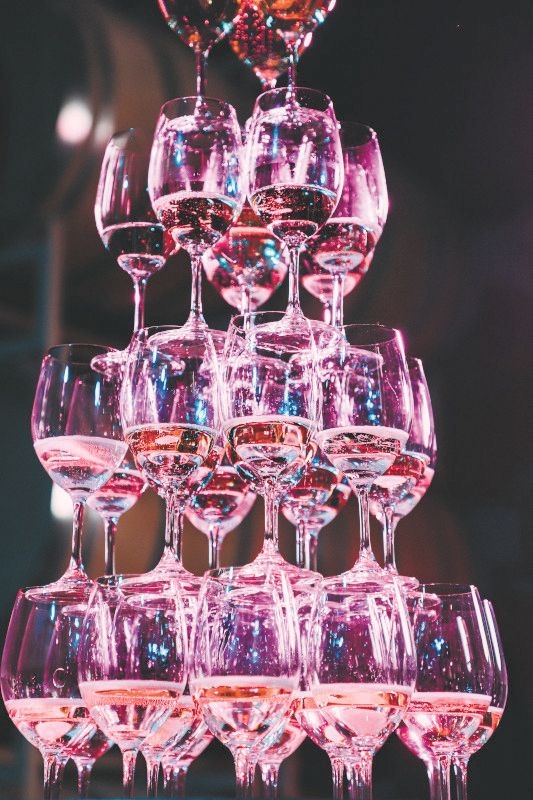
Pop quiz: Is Oregon the next great sparkling wine region? Method Oregon says yes.
Oregon sparkling wine is having a moment, and its wineries are collaborating under a new organization to celebrate and strengthen the industry. Nonprofit Method Oregon is dedicated to promoting Oregon as a world-class region for traditional method sparkling wine. Launching with 45 founding members, the organization has since grown to 54 as of mid-May. The organization’s mission is to celebrate exceptional wines, sustainable farming practices and the distinct sense of place that defines Oregon sparkling wine. It ensures each bottle bearing the new Method Oregon logo adheres to strict traditional method winemaking standards and farming procedures.
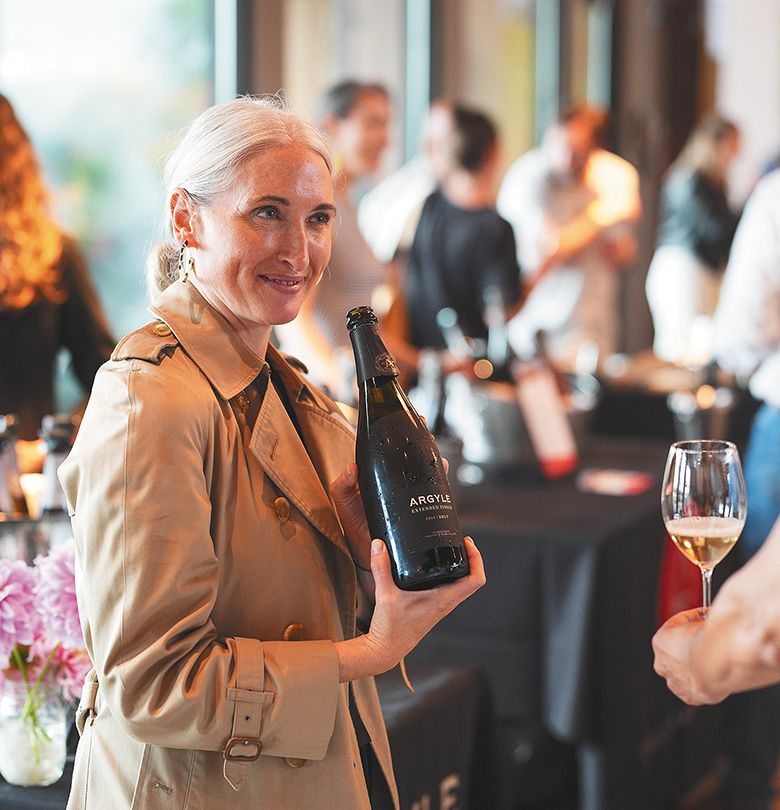
Oregon sparkling wine isn’t new, but it’s never been more popular. Winemaker Rollin Soles began making traditional method sparkling wine in 1987, while working at Argyle Winery. He was the first commercial producer in Oregon.
While still wine remains Oregon’s focus, wineries– especially those in the Willamette Valley– have been crafting sparkling wine in increasing numbers and quantities. In 2013, Andrew Davis established The Radiant Sparkling Wine Company, Oregon’s first sparkling-only custom crush facility. At the time, fewer than 10 traditional method producers operated in the state. Today, “it has increased in popularity. Now more than 50 wineries in Oregon produce some sparkling wine,” reports Mike Osborn, CEO of Willamette Valley Vineyards and its sparkling house, Domaine Willamette.
IDEALLY SITUATED
Oregon is exceptionally well-positioned to compete with the world’s finest sparkling wines.
“In many cases, Oregon has grown the perfect varieties for decades. Our climate is exceptional for Pinot Noir, Chardonnay and Pinot Meunier, all traditionally used in champagne,” notes Osborn. Oregon wineries have spent more than 60 years refining the art of grape cultivation.
A cool climate, long growing season and marine influence characterize the Willamette Valley, contributing natural acidity and ensuring slow ripening– necessary for stellar sparkling wines. Southern Oregon and the Columbia Gorge also have sites with suitable microclimates tempered by higher elevations, wind influence and cooler aspects. Oregon’s ample diurnal temperature swings and diverse soils allow grapes to develop ripe flavors while retaining the vibrant acidity essential for long-aged sparkling wines.
REPUTATION
Interest in Oregon sparkling wines is growing– and so are the accolades.
“A couple years ago, Wine Enthusiast published its 2024 Enthusiast 100 list,” with global top picks, shares Jeanne Feldkamp, co-founder and co-winemaker at Corollary Wines and founding board member at Method Oregon. “All five Oregon sparkling wines selected were made in the traditional method, each using standards adopted by Method Oregon, including number one on the list–” the 2013 RMS Brut Delayed Disgorgement 10-Year from Soles’ ROCO Winery in Newberg.
“This year,” adds Feldkamp, “Wine Enthusiast named its top 40 picks in the world for sparkling wine. Two Oregon sparklings were on that list.” The US secured 14 spots, with Lytle-Barnett 2018 Brut Rosé and Corollary 2021 Momtazi Carbonic Rosé Pinot Noir both earning 96 points.
“We’re starting to see consumers coming into our tasting rooms, traveling to Oregon specifically for sparkling wine,” explains Feldkamp.
“We’re now competing with world-class bubbles,” observes Osborn. “And primarily those made in Champagne, a region perfecting sparkling wine for hundreds of years.”
WHY METHOD OREGON
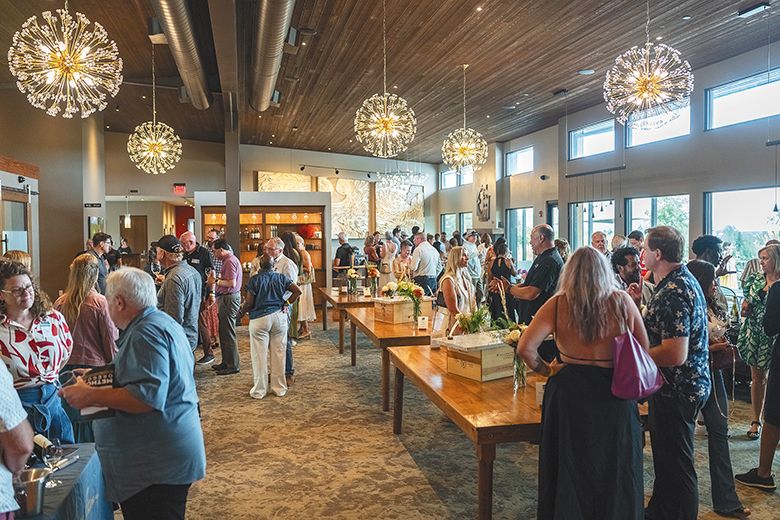
The Oregon winemaking community is known for its collaborative nature, and the sparkling winemaking subset is no exception. “Over the last decade or so, a lot more producers have been getting into making a sparkling wine, and there’s been a lot of informal cooperation over the years,” notes Feldkamp. “We get together annually to blind-taste base and finished wines. That’s been really important for all of us. We spoke often about formalizing our approach and wondered when would be a good time. Was the market ready? Was the world ready? Were we ready? Was Oregon producing enough sparkling to make a splash? Last July’s Method Oregon Grand Tasting event was a test run to see if consumers were into it. It proved to be a big success, so we decided to move forward with the organization.”
Method Oregon members recognized that establishing some of the most rigorous standards for traditional method sparkling production in the world could benefit both makers and consumers. Osborn believes it’s essential to emphasize both the quality of “the wine in the bottle as well as the care and time it required. I think consumers, once they understand what goes into making traditional method sparkling wine, have a greater appreciation for why it costs more than a common bottle of Prosecco.”
THE STANDARDS
Champagne is the celebrated original sparkling wine, produced in the Champagne region in Northeast France. Their production method, méthode champenoise or méthode traditionnelle, serves as a template for crafting exceptional sparkling wine around the world.
The name “Method Oregon” honors that heritage and dictates the same techniques, distinguishing these wines from sparklers made in other ways, such as forced carbonation and tank fermentation.
The standards include:
- 100 percent Oregon-grown and Oregon-made.
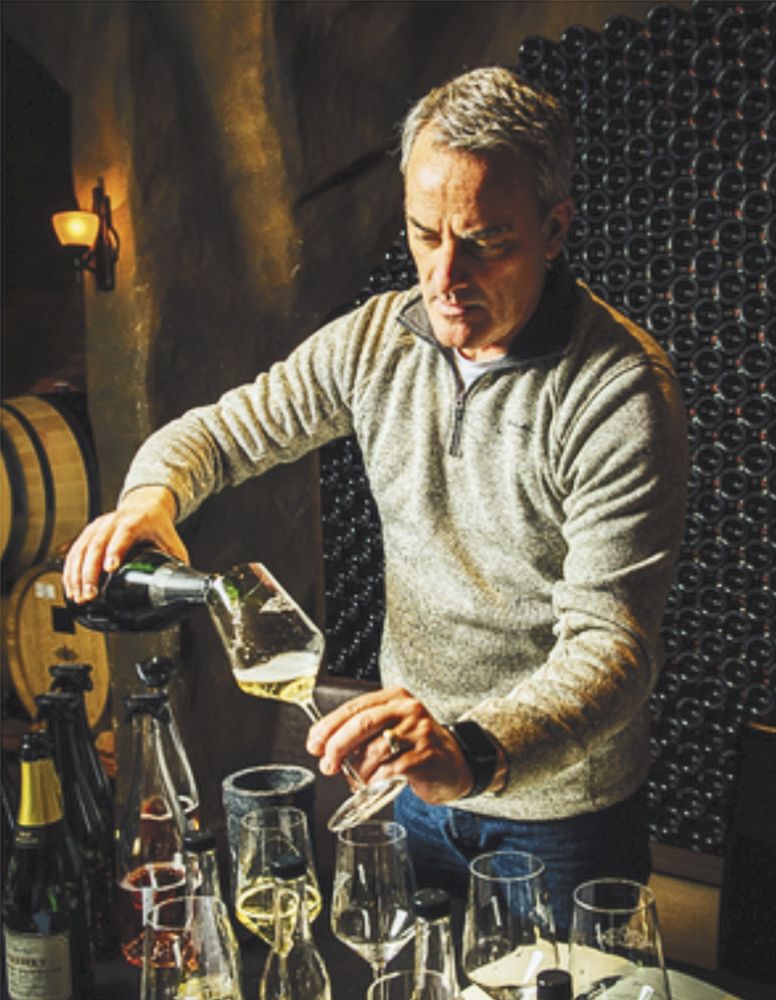
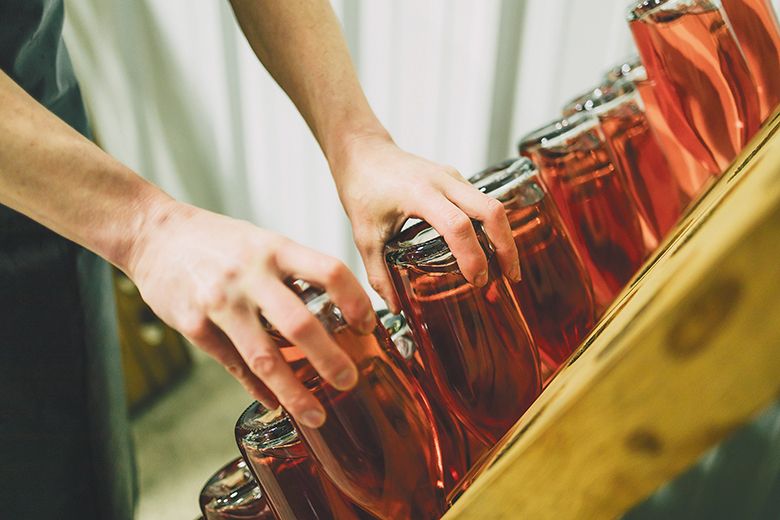
- Crafted using the traditional method, including a minimum of 24 months of aging on the lees, often referred to as en tirage.
- Transparent labeling, including disgorgement dates and growing region.
- Sustainably farmed. Beginning in 2029, fruit must be grown using only Organic Materials Review Institute-approved organic inputs, or in LIVE-certified vineyards farmed without synthetic herbicides.
MAP AND WEBSITE
The Method Oregon website includes an interactive map for easy planning. Users can easily create a sparkling-focused itinerary sorted by region and availability of entire flights of sparkling wine.
Sparkling aficionados can also join the second annual Method Oregon Grand Tasting Weekend, July 24–26. It includes guided tastings, tours of production facilities, a “Bubbles Block Party” with food trucks and music, plus the Grand Tasting featuring more than 40 leading Oregon sparkling producers, and an educational panel moderated by Ray Isle, executive wine editor of Food & Wine.
For Osborn, the goal is “recognition, education, getting the name out there, helping people understand Oregon has incredible sparkling wine and an amazing community. It’s about spreading the word and bringing people here.”
Method Oregon
July 24-26
All access pass $350
Grand tasting $150
Bubbles block party $75
methodoregon.com
After living in Denmark, the Netherlands, L.A. and the Bay Area, writer Annelise Kelly settled in Portland, where she delights in food carts, Douglas firs, dancing and getting crafty. Thanks to Annelise’s broad interests, her career path has weaved through cooking, events, technical writing, decorative painting and retail display. Wanderlust takes her across borders and oceans every chance she gets. Connect with Annelise at annelisekelly.com.