
The Science behind the Sip
A look at the research improving Oregon wine

By Michele Francisco
Every winegrower strives to produce high-quality fruit. Every winemaker aims to craft the best wine possible. Each growing season offers a chance to do it better. Each harvest provides another opportunity to implement new methods and techniques in the cellar.
Research is key to achieving those goals. Most important are the studies performed in the Northwest, designed to address our specific challenges. Recent research findings have led to reduced waste, better-quality wine and lower production costs.
THICK OR THIN
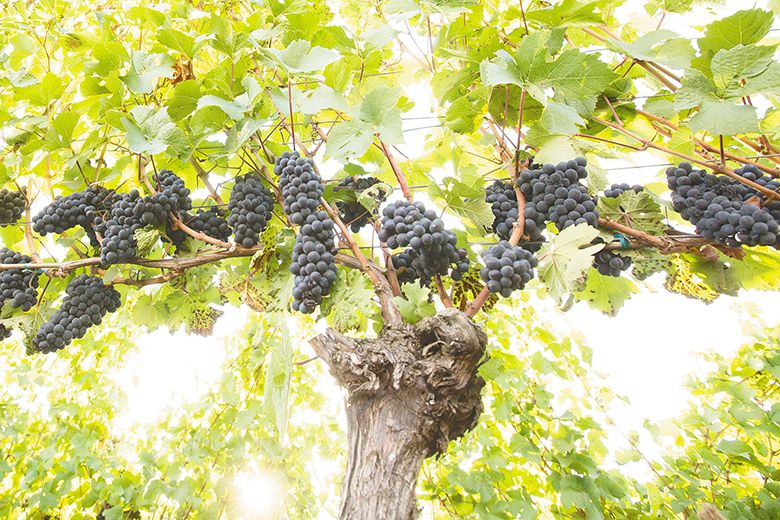
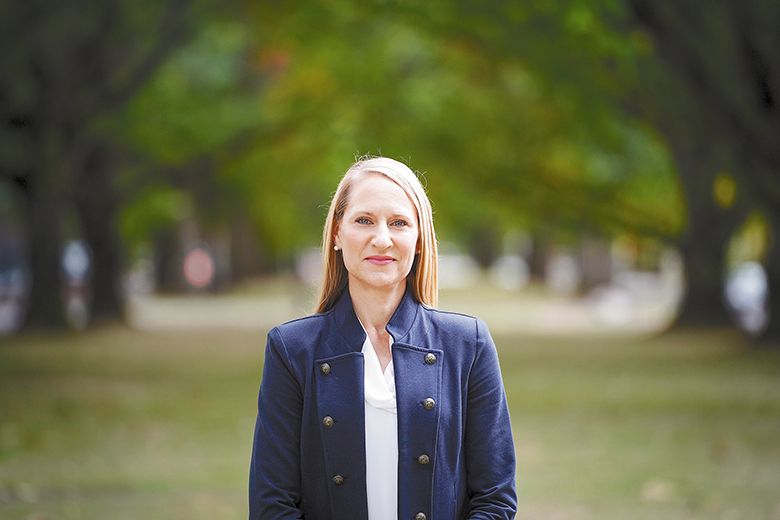
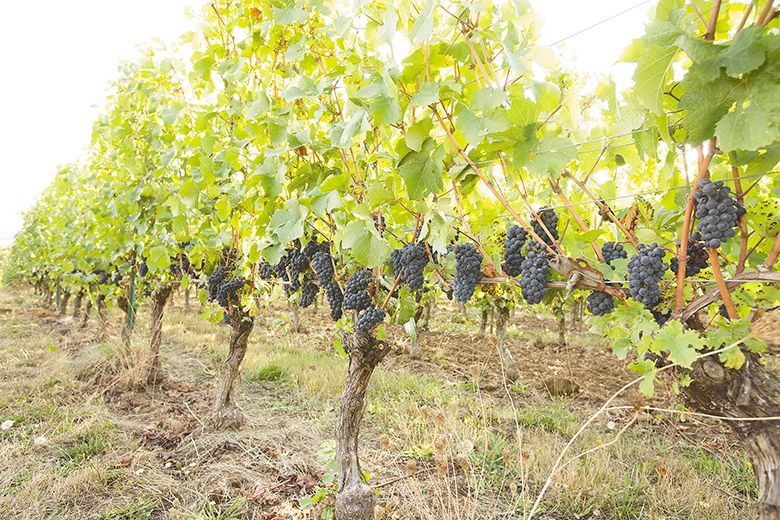
One recent study enlisted vineyard volunteers to measure the effects of crop thinning. Laws in Burgundy, France, limit Pinot Noir production to extremely low yields, so this farming method was widely adopted by Oregon growers. The assumption, passed down like an old wives’ tale, was that lower yields produced higher-quality grapes. For decades, this remained unproven for the state’s climate and growing conditions. Patty Skinkis, PhD, a professor and viticulture extension specialist at Oregon State University’s Department of Horticulture and Oregon Wine Research Institute, began questioning this theory shortly after moving to Oregon.
Around 2010, Skinkis found “most commercial vineyard managers were removing 25 to 50 percent of the vine’s total fruit each year, often requiring two to three thinning passes, sometimes very close to harvest.” She also discovered “crop thinning was one of the most expensive management practices in the vineyard budget for Pinot Noir produced in Oregon.”
Skinkis sought to determine if thinning crop load by dropping fruit prior to harvest changed wine quality here in Oregon. From 2012 to 2021, with help from citizen scientists, she ran the
Statewide Crop Load Project.
The decade-long study concluded participating growers experienced no “negative impact of higher yields on vines, fruit composition and wine quality.” Skinkis’ final report states: “The influences of vintage variation and location were emphasized and participants expressed willingness to carry more fruit (i.e., higher yields), especially in warmer years.” And, her post-project focus group meetings “revealed that participants increased target yields by 39 percent as a result of study participation.”
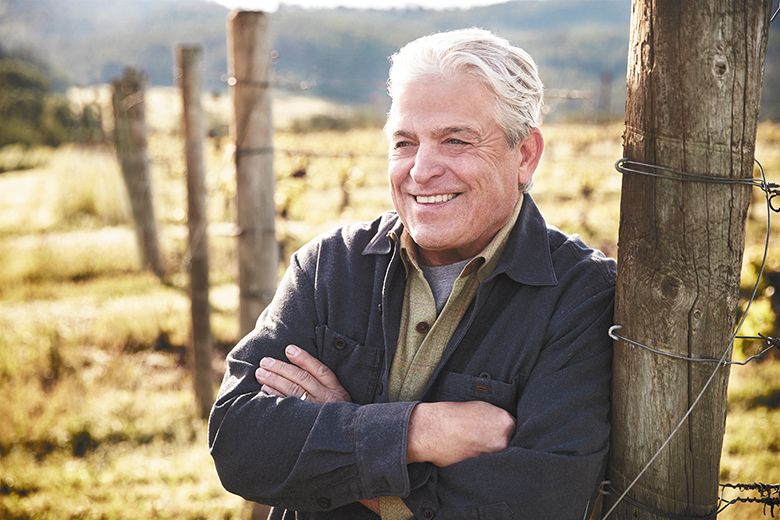
Volunteer Ken Wright, proprietor and winemaker at Ken Wright Cellars in Carlton, measured his results at two vineyard sites for the entirety of the study. He was impressed. Wright asserts, “Patty’s research has always been relevant but this decade-long project is game changing and critical reading for all whose fortunes rely on success in the wine industry.”
He adds, “The Willamette Valley is the most affected major growing area on the West Coast when it comes to fall weather patterns. When the jet stream falls south to the Valley from Canada in mid-October, we lose the umbrella-like protection of the high-pressure systems. Successful production of world-class wine is dependent on harvesting fruit before that breakdown.”
Wright calls the previous practice of thinning to two and a half tons per acre a “reciped approach.” He found a one-dimensional quality with less complexity in the Pinots produced from rows where grapes were dropped during warmer vintages.
The science changed his mind. Wright now believes “cool years with large crops demand sacrificing a percentage of fruit and volume of wine while hot years with small crops require leaving as much fruit as possible to slow the advancement of maturity. Complex flavor and aromatic qualities only come with a long growing season.”
The project’s final report also states: “Participating growers increased yields without compromising quality, significantly improving profitability.”
NO MORE FUNK
James Osborne, PhD, is director of the Oregon Wine Research Institute at Oregon State University’s College of Agricultural Sciences and has spent 20 years studying ways to improve wine quality.
“My research focuses on understanding the contribution of various wine microorganisms to wine quality and how this knowledge can improve wine quality and/or produce different wine styles. Microbes found in wine can contribute positively or negatively to wine quality. Some are involved in conducting the fermentation and impart wonderful aromas and flavors, while others can make a wine smell like a barnyard or vinegar,” explains Osborne.
One of his projects studies the interactions between spoilage yeast Brettanomyces, commonly known as brett, and wine bacteria, including Oenococcus oeni. Brett’s funky aromas include Band-Aids, manure, sweaty socks and wet leather.
Osborne notes how his “lab investigated interactions between microbes in wine and how the growth of one microbe impacted the growth of others. Just like us, when different microbes grow together, some get along well, others merely tolerate each other and some antagonize those around them. We wondered if it was possible to harness the growth of some of the antagonizing microbes in wine to prevent the growth of certain spoilage microbes that are typically controlled by the addition of the preservative sulfur dioxide.” He adds, “By harnessing the naturally-present microbes, our goal is to reduce wine spoilage and lower the use of sulfur dioxide.
Early findings are positive. Osborne asserts, “During the initial research phase, our lab discovered the beneficial bacteria that conduct malolactic fermentation can inhibit the growth of brett. We are continuing to explore the specifics of this interaction and how a winemaker could best use this information. Does it make a difference what bacteria is used? When during the winemaking process is this inhibition strongest? What impact does the type of wine make? These are all questions we are pursuing.”
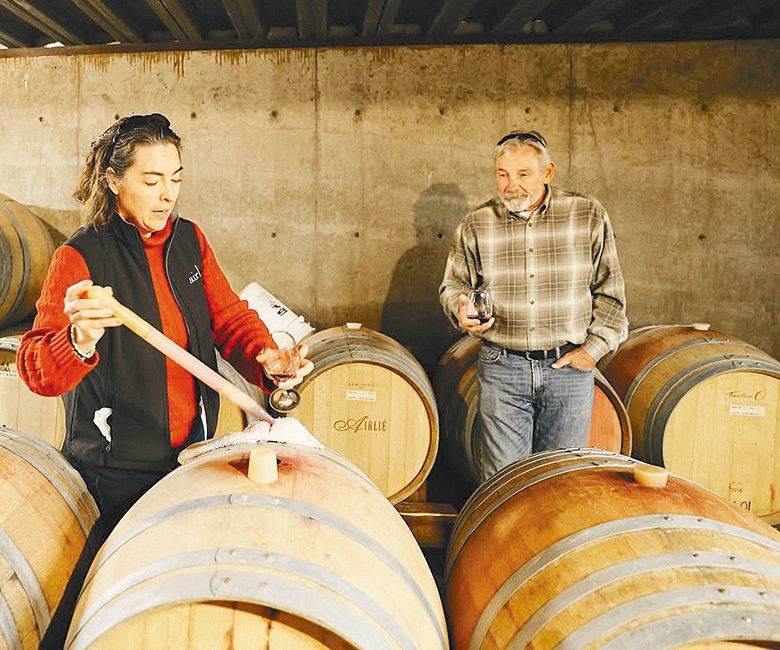
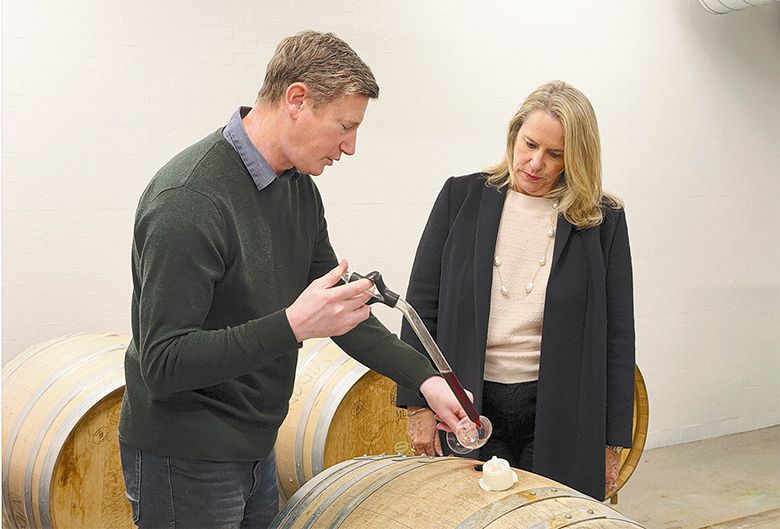
Elizabeth Clark, Airlie Winery’s winemaker for the last two decades, wasn’t happy with brett sporadically showing up in the wines she was making in Monmouth. She consulted with Osborne and learned his research might provide a solution to her problem.
“Years ago, James helped me better time my inoculation for malolactic fermentation. I was following a more traditional, sequential schedule, adding malolactic bacteria after alcoholic fermentation was complete, but occasionally developed brett before malolactic fermentation began,” admits Clark. “We discussed co-inoculation, which he was researching at the time, and which malolactic bacteria might be appropriate. Now I add malolactic bacteria a couple days after yeast inoculation so the bacteria grow up with the increasingly difficult conditions created by the yeast fermentation. The wine generally completes malolactic fermentation within a few weeks after barreling down. Being able to add sulfur early inhibits the potential formation of brett.”
FUNDING THE FUTURE
Good research requires money, expertise and strong partnerships between funders and those who can apply the findings.
Osborne acknowledges, “Funding sources such as Oregon Wine Board, Erath Family Foundation, the Northwest Center for Small Fruit Research and others are crucial for the undertaking of any research in my lab. Without external funding from these industry-driven groups, I wouldn’t have graduate students in my program. They are the engine of research at the university, conducting the studies. Funds are also essential for any supplies and materials.” He continues, “Research would grind to a halt without grant funding. Aside from funding, these groups also provide excellent feedback to researchers and help guide the direction of research, based on industry needs and priorities.”
Abacela’s CEO, Greg Jones, PhD, serves on the board of both the Oregon Wine Board and the Erath Family Foundation, two organizations funding research projects. His background in academia is advantageous when considering where to allocate grant money and how best to implement research findings at his family’s Umpqua Valley winery.
Jones observes, “Both my father and I were researchers in our previous lives and have carried that to our approach at Abacela. We share published research with the team, including interns, and hold periodic meetings to discuss the relevance of the research and how we might benefit from it.”
As for his board role at the Erath Family Foundation, Jones recalls picking up Dick Erath, the foundation’s founder, and carpooling from the Valley to Portland. “I really enjoyed our drives to the quarterly meetings. I learned so much from our conversations. Most importantly, I learned how he wanted his legacy to help support the Oregon wine industry,” recounts Jones.
COLLABORATION GARNERS MORE FUNDS
Dai Crisp, president of Lumos Wine Company in Philomath, has been involved with the Northwest Center for Small Fruits Research, or NCSFR, for more than 30 years. The NCSFR brings growers, researchers, industry partners and stakeholders together with a narrow focus on small fruits: berries and grapes. Since these crops share many of the same pests and challenges, joining berry and grape research maximizes available funding.
Crisp has made about two dozen trips to Washington, D.C. seeking funds for research projects. He explains, “Early on, I was familiar with what people were doing in Washington and at Oregon State University. They were working on trunk disease but neither scientist was necessarily talking to one another about it. There was a strong ‘I’m investigating this my way’ mindset, yet both were working on the same thing and not communicating. The NCSFR has fostered a true sense of collaboration, so instead of people working independently, they now work together on a proposal and share principal investigator responsibilities.”
Julie Pond, executive director of the Northwest Berry Foundation, leads the NCSFR communication and administration. She notes, “The NCSFR was formed because no one small fruit research project was able to generate the money necessary to solve larger, multitargeted research needs– which often overlap across multiple small fruit crops. We realized the Northwest could benefit from using this broader NCSFR fund to encourage research partnerships across state lines and embrace the efficiency of solving problems together.”
Jones offered this perspective: “I operate on the old adage ‘you can’t manage what you don’t measure,’ and well-planned research provides the opportunity to both measure and manage.”
In Oregon’s wine country, what gets measured– carefully, collaboratively, year after year– is nothing less than the future of the industry itself.
Michele Francisco spent her childhood reading and writing, eventually graduating from UCLA with an English degree. She attended graphic design school and began a career in design and marketing. After moving to Oregon in 2010, Michele studied wine at Chemeketa Community College and began Winerabble, a Northwest-focused wine blog. She has been a cheerleader for Oregon wine since her arrival.