The Long Pour
Three Northwest wine families celebrate 25 years in the industry
By Greg Norton
The year was 2001.
With Y2K’s predicted chaos in the rearview mirror, Oregon counted about 130 bonded wineries with around 100 more in Washington.
The Sept. 11 attacks were yet to come. The Great Recession was still years away and the COVID-19 pandemic wouldn’t hit the globe for nearly two more decades. By 2026, Oregon wineries alone numbered more than 1,000.
This future was impossible to foresee for three Northwest brands now celebrating 25 years: Maryhill Winery, Six Peaks Winery and R. Stuart & Co.
All three family stories thread through years of rapid growth in the Northwest wine industry. The pursuit of dreams and personal goals also emerges in each narrative, driving these dedicated producers to reach this year’s milestone.
MAPPING THEIR FUTURE: SIX PEAKS WINERY
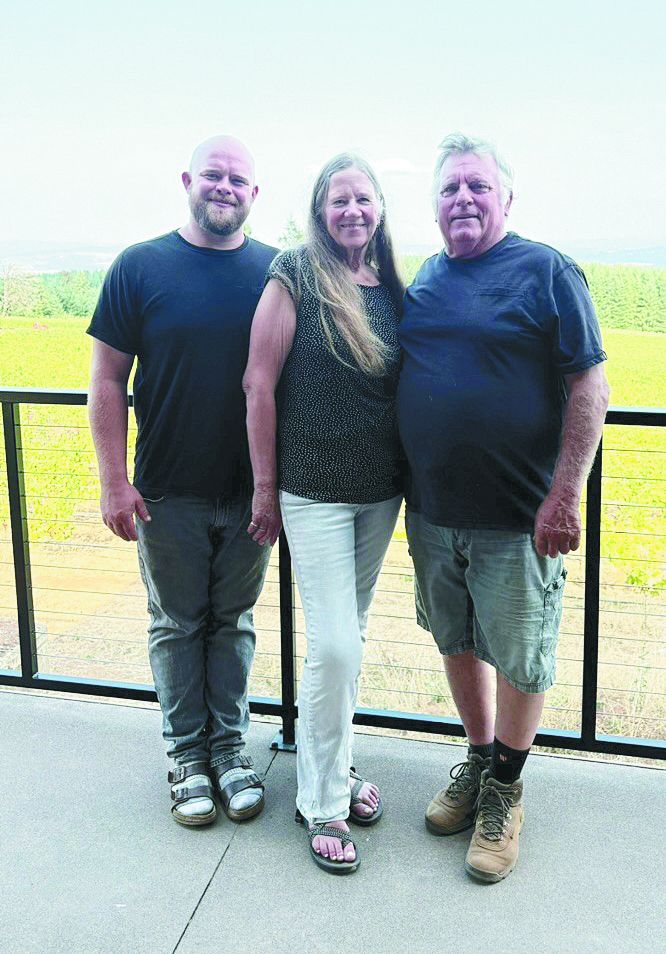
John and Lynn Albin of Six Peaks Winery met while studying at UC Davis. John’s fascination with wine began during his childhood in Seattle, when he helped his father vinify grapes from California’s Central Valley. This led him to earn a degree in fermentation science.
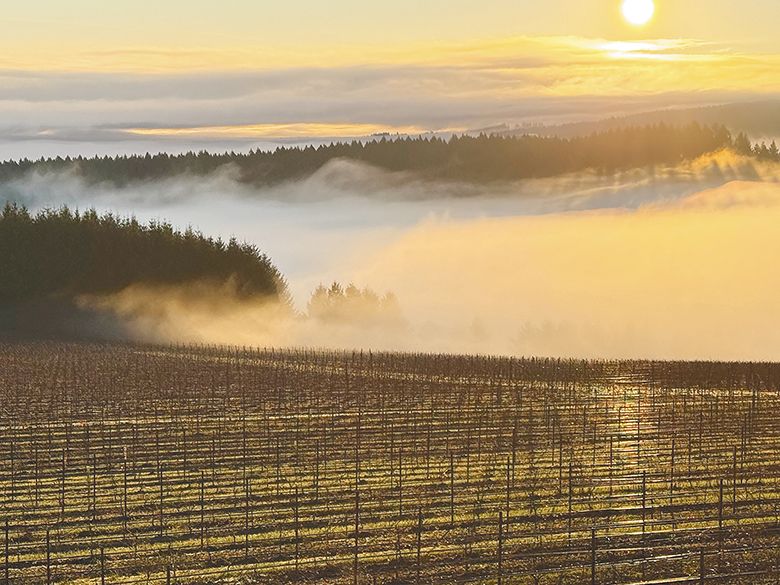
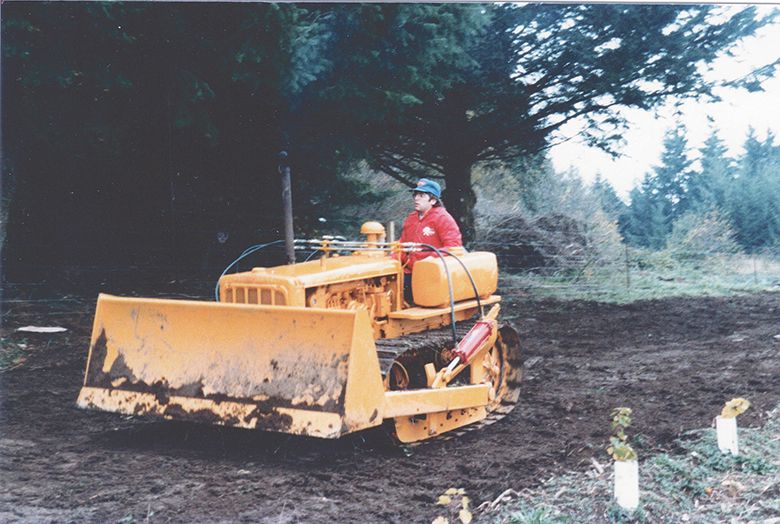
The pair graduated from college with the dream of planting a vineyard and making wine. Poring over maps and weather logs of the Northern Willamette Valley, they settled on a piece of property near the top of Bald Peak in 1980. Its high elevation (between 800 and 1,000 feet) was especially appealing because they hoped to make sparkling wine.
As the vineyard matured, John worked for Washington breweries to pay the bills. Lynn’s degree in animal sciences and expertise in fish habitats brought her to the University of Washington to assess fish survival in the wake of the Mount St. Helens eruption. For many years, their vineyard supplied fruit to other producers while both worked conventional jobs.
LEARNING FROM PIONEERS: R. STUART & CO.
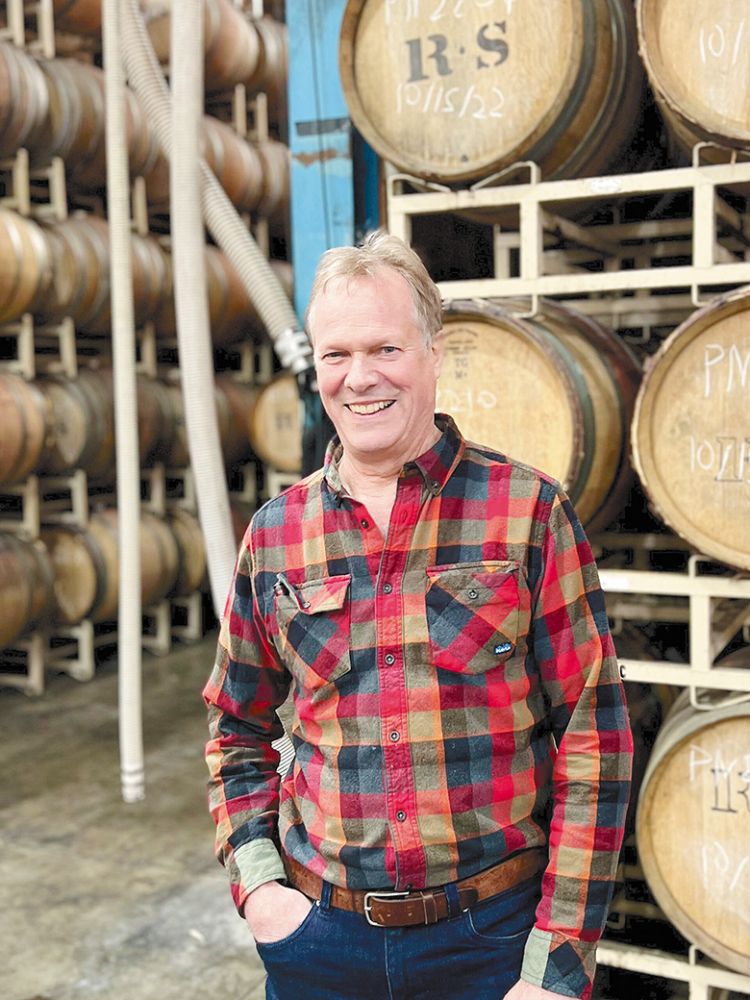
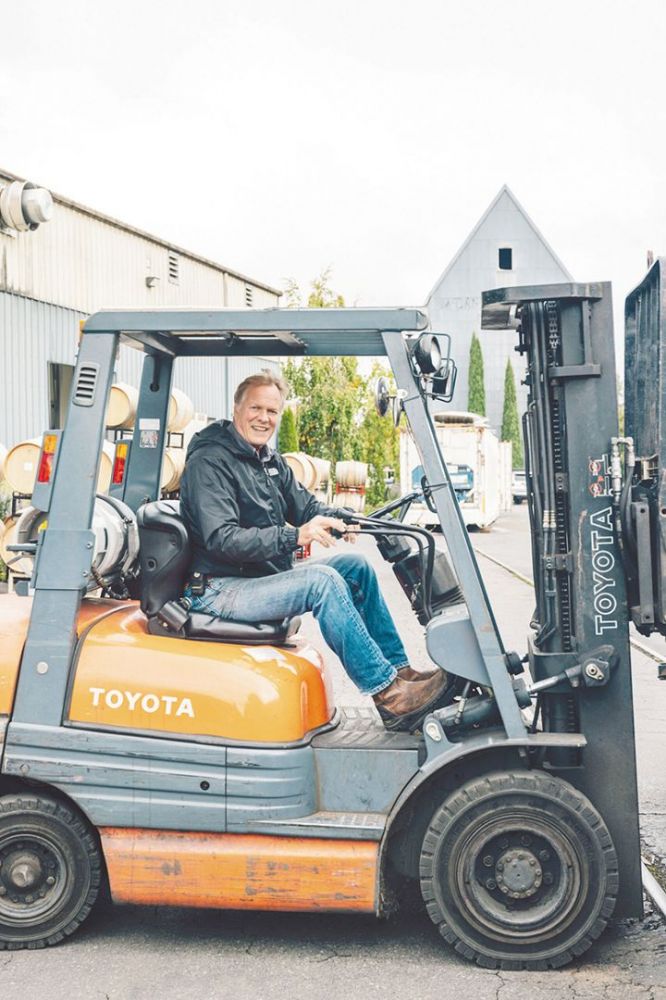
Like the Albins, Rob Stuart’s early years involved UC Davis and Eastern Washington, before establishing R. Stuart & Co. in McMinnville. Stuart and the Albins also share a lifelong fascination with sparkling wine– an underappreciated prequel to the current renaissance of Oregon bubbles.
Around 1980, Stuart remembers Professor Dinsmoor Webb at UC Davis suggesting, “You know, you can go to Oregon. They have a few wineries up there, but there’ll never be anything great.” Determined to prove his mentor wrong, Stuart headed to Southern Oregon. There he found cellar work, learned from some of the early wine pioneers and became involved with the Oregon Wine Growers Association.
After making wine for a decade in Washington’s Yakima Valley, Stuart returned to Oregon, where he joined Erath Winery. “Dick Erath taught me a lot,” he shared. “I learned a great deal about viticulture and the Pinot Noir palate from him.”
Wine sales rep Maria Czamanske first visited Oregon in 1990 to attend the International Pinot Noir Celebration. Soon thereafter, she moved from Chicago to Portland and eventually married Stuart. Maria became a driving force in R. Stuart’s hospitality efforts as well as in a number of industry and charitable associations in McMinnville. Her community-minded grace and generosity were legendary; she died in 2021.
“Maria enjoyed bringing people together and pairing food and wine. That was something we did together,” Stuart recalled.
ENTREPRENEURS ARRIVE: MARYHILL WINERY
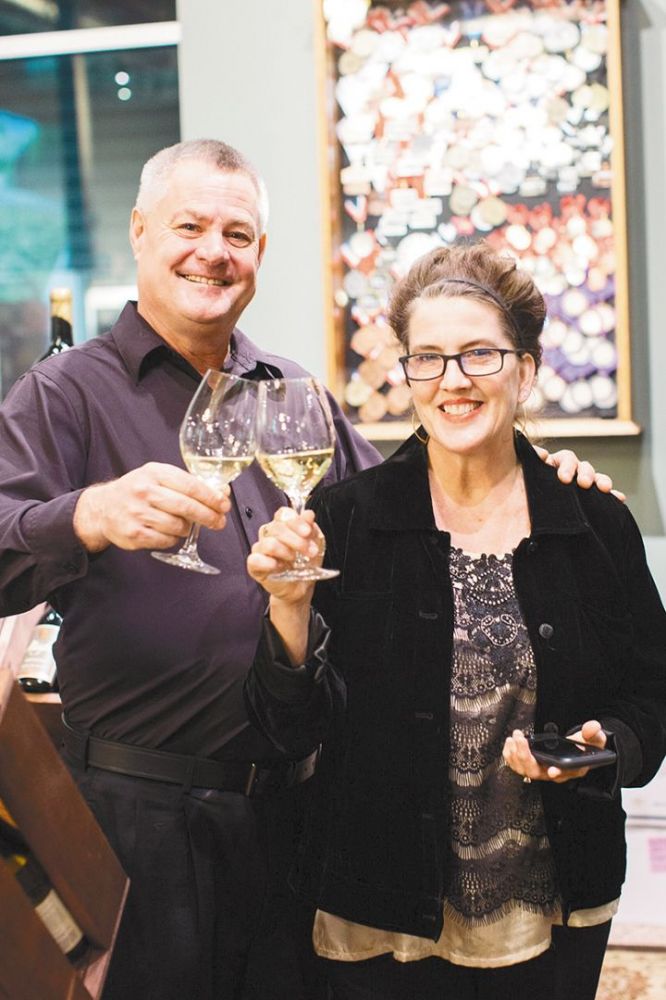
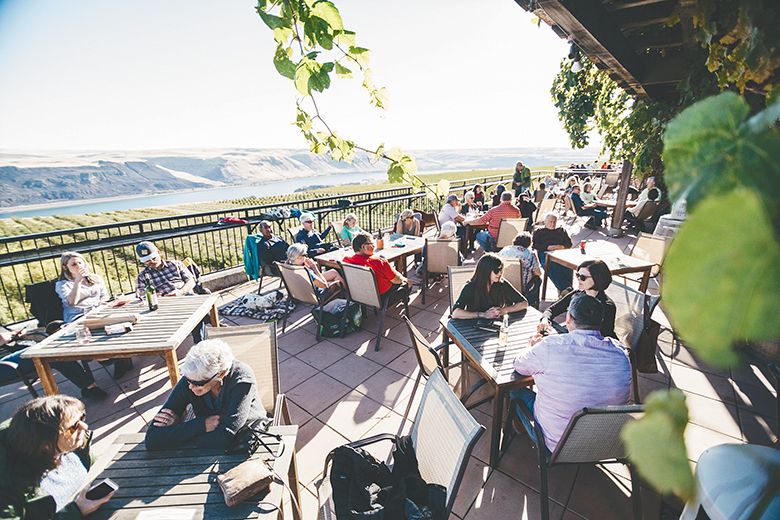
By opening Maryhill Winery, Craig and Vicki Leuthold built on the rich history of Goldendale in the Columbia River Gorge. Sharing its name and hilltop location with the nearby Maryhill Museum of Art, the winery’s large tasting room and grounds overlook a vineyard farmed by the Gunkel family for three generations.
While working in the plastics industry in the 1980s, Craig remembers spying a copy of Wine Spectator on a customer’s desk. The ensuing conversation ignited his passion for wine, leading him to join tasting groups and meet leaders in the Washington wine industry. Vicki’s two-decade career in the coffee industry during a period of phenomenal growth proved to be a fitting preamble to wine. “It was very exciting to be part of that boom, just like the early days of wine in the Northwest,” she observed.
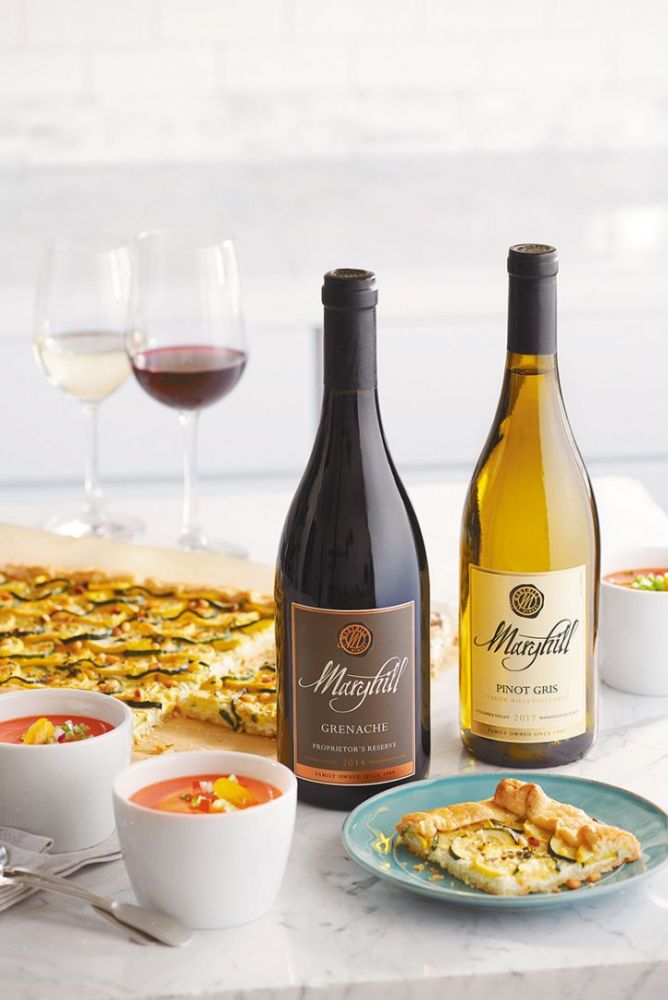
From the start, the Leutholds envisioned Maryhill as a destination winery. Perched on the edge of the Columbia River Gorge National Scenic Area, it’s far from any nearby population centers. Over the years, live music and food accompanied a large portfolio of acclaimed wines sourced from vineyards across Washington, making it a place to spend the day. Three satellite tasting rooms now bring the Maryhill experience to Kendall Yards in Spokane, the Waterfront in Vancouver and Woodinville’s Hollywood District. Each location offers food pairings and live music.
HOSPITALITY RULES
Stuart & Co. and Maryhill share a mission of creating a more accessible tasting experience. Fueled by Maria’s passion for hosting, R. Stuart & Co. opened one of downtown McMinnville’s first wine bars in 2006, an innovative move back then. “We wanted people to feel welcome… kind of like the TV show Cheers mentality,” Stuart noted. “It’s not glitzy, but instead warm and comfortable.”
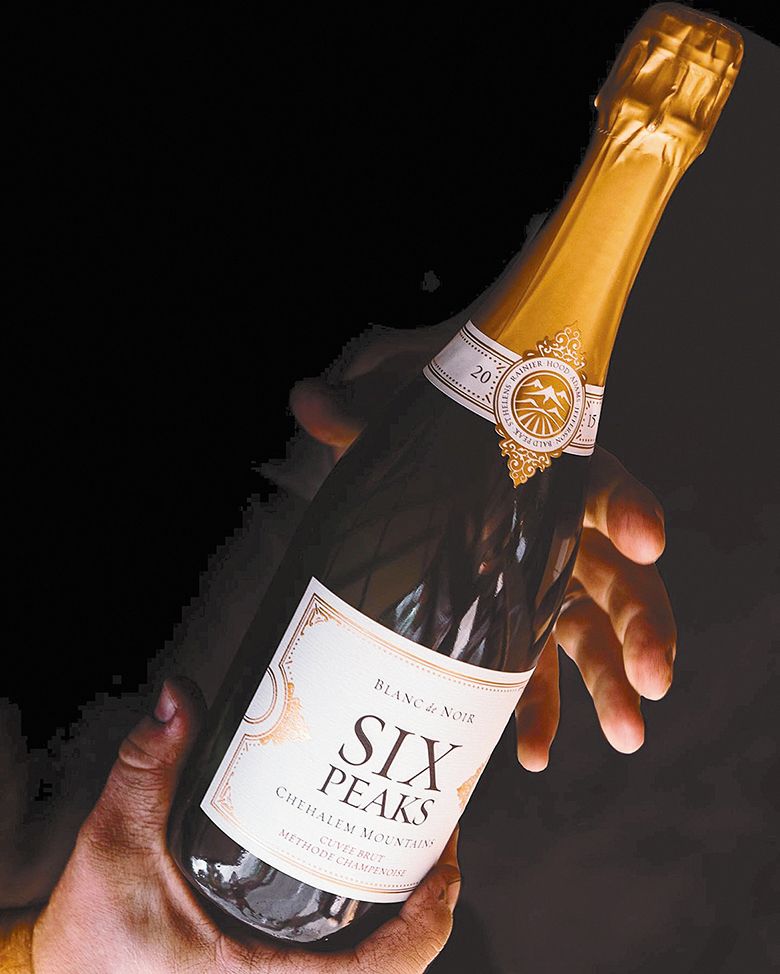
Six Peaks’ latest hospitality project is a new tasting room that opened last month. The brand’s name pays tribute to the five peaks visible from the property, plus the one where the vineyard is located. “People would come here and say, ‘there’s no place like this,’” Lynn described. “So, we thought, alright, let’s see what we can do.”
DAY BY DAY
Immersed in working each day, 25 years have snuck up on these busy people. “I never really thought: will I make it for 25 years?” shared Stuart, echoing similar sentiments from the others.
All spoke of the rise and fall of distributors over the years and the balance between wholesale and direct-to-consumer sales. But beyond surviving industry-wide headwinds over two and a half decades, each winery has its own memorable stories.
Maryhill operated a live-music outdoor amphitheater on the property for 15 years, presenting national acts at a time when there were few large venues in the region. Stories abound about the joys and frustrations of hosting artistic temperaments. “That could be our second book: the concert series alone,” quipped Vicki.
Six Peaks, originally called J. Albin Winery, rebranded after receiving a threatening cease-and-desist letter from a similarly named winery in California. Albin was advised that he could win a court battle, but that it would be costly. Instead, he declared, “We changed the name to Six Peaks to avoid all that nonsense.”
Rob Stuart remembers holding their first wine club dinner: a crab feed in February. “I think it was 17 degrees,” he confessed, “and we had 66 people here, so we told them to bring a warm coat. And they did.” The annual event grew in popularity until the last one, hosted by Maria, drew 180 people.
THE PAST IS PROLOGUE
Successfully navigating past challenges positions these wineries to chart a positive course through the industry’s current malaise. No one knows what the next 25 years will bring, but their strong track records and capable teams point to a bright future.
“We’re turning on the marketing machine a little bit, inviting new people to come visit us, embracing blogs, YouTube and also digital advertising that didn’t exist 10 years ago,” Craig reported, in the hopes “of engaging with younger demographics, and finding out exactly what they’re looking for and why.”
Reflecting on Oregon’s mix of multigenerational brands and the changes brought by industry newcomers, Stuart added, “I hope we don’t forget why we are here and how we got here. We celebrate the collective spirit of our industry, the sharing of things. I want the sense of that to continue.”
Greg Norton is a freelance writer with a broad background in nonprofit communications and the arts. He studied journalistic writing through the UCLA Extension and has traveled to wine regions around the world. Greg is a Certified Specialist of Wine and received the Level II award from the Wine and Spirits Education Trust. When not writing about wine, he can be found pouring it in a tasting room or wine bar near West Linn, where he lives. Read more by Greg at onthevine.blog.