Hiding in Plain Sight
Learn how to spot a refillable Revino bottle
By Greg Norton
Revino, a Portland-based innovator of reusable wine bottles, has joined the global community of Certified B Corporations. The certification affirms the company's mission: making sustainability as important as profitability. (Learn more about B Corps in my article, titled “Beyond the Bottom Line,” published in the May 2023 issue of Oregon Wine Press.)
The company addresses one of the wine industry’s biggest environmental challenges: glass packaging. By offering an alternative to single-use bottles, Revino helps wineries lower carbon emissions and reduce waste, while maintaining a premium experience.
Since its founding two years ago, Revino has sold over a million bottles and partnered with 100+ West Coast wineries. The company continues to develop collaborations and new return sites.
IDENTIFYING REVINO BOTTLES
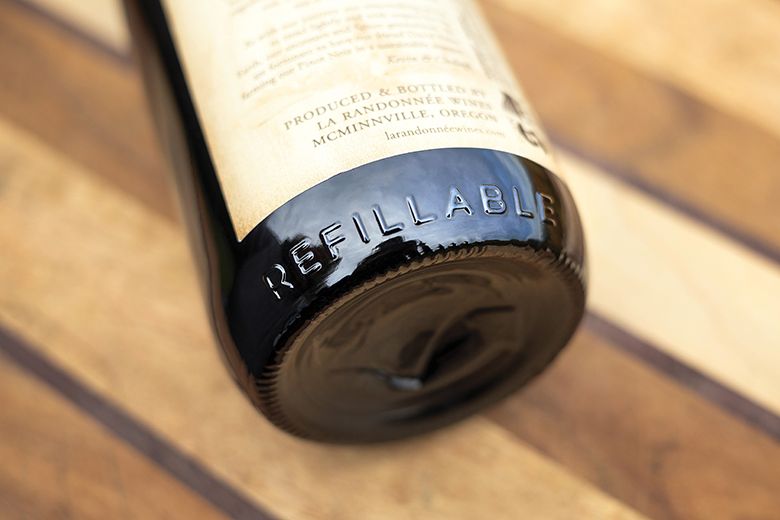
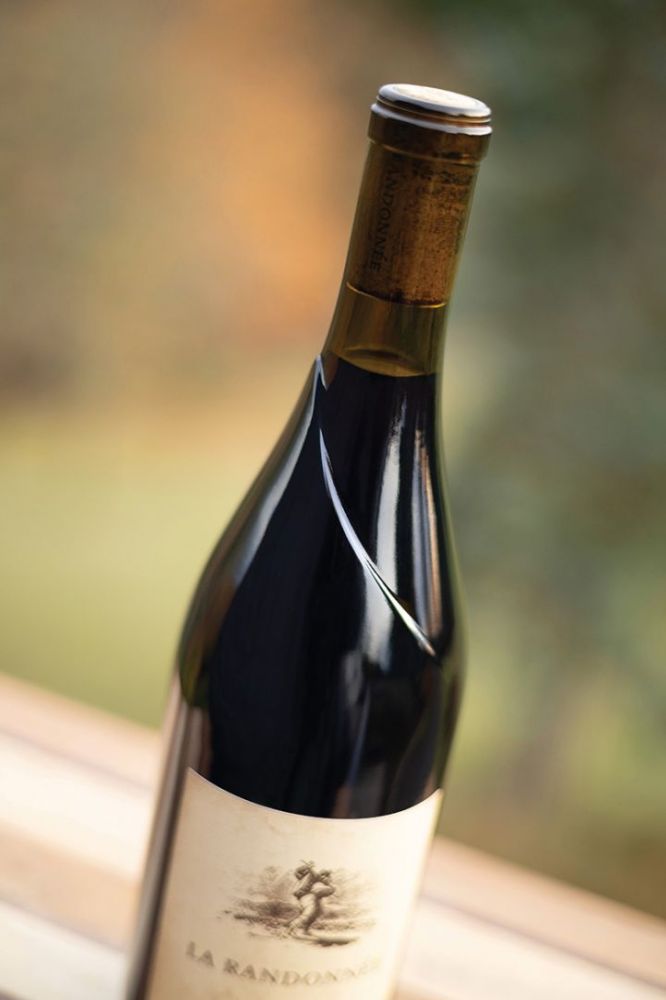
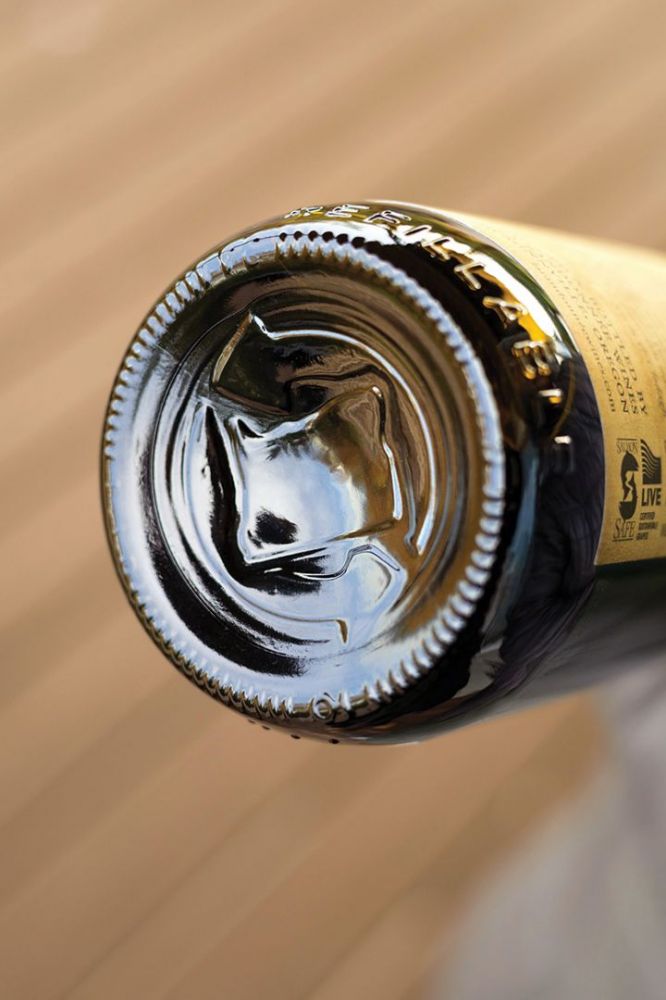
While infrastructure grows, success relies on consumer participation. Identifying a Revino bottle is simple. Look for the distinctive leaf-inspired motif on the bottle’s neck and the word “refillable” embossed circling the bottom. The shallow punt, saving unnecessary weight, sports a reuse symbol of circling arrows or an outline of Oregon state.
To aid consumers, wine labels on Revino bottles now contain return instructions or a scannable QR code that provides more information. Revino’s website (www.revinobottles.com) offers additional resources, including a list of return locations.
SCALING UP
After launching Oregon’s reusable bottle system in 2023, the company has expanded partnerships to wineries in Washington and California, including Napa Valley’s Silver Oak. “The wine industry is not only local,” states Adam Rack, Revino co-founder. “We ship our products across state lines. Many markets are eager for reuse opportunities, allowing bottles to be collected and refilled both locally and at a national level.”
As small-scale tasting room collections ramp up, they will prove commercial viability while also gathering data on consumer feedback, messaging and staff engagement. Revino anticipates these insights will be useful to the entire industry.
BEYOND WINE
With a state-of-the-art washing facility set to open next year, Revino plans to add beer, kombucha and other beverages to its expanding roster of winery partners. Once open, the location will have the capacity to wash, sanitize and inspect up to 40,000 bottles per day.
Revino worked with wine supplies companies Tualatin-based Pioneer Packaging and California’s Saxco to scale up distribution and wine distributors for empty bottle retrieval from drop sites and restaurants. By leveraging established logistics networks, Revino ensures bottles are collected, washed and returned to wineries without needing its own warehouses and fleet.
FINANCIAL ENCOURAGEMENT
Revino’s ambitious plans recently received a major boost. In September, the company secured a $250,000 investment from Business Oregon’s Strategic Reserve Fund to help launch its Portland-area washing facility.
The move comes as Oregon’s wine industry, which generates $8 billion annually and employs nearly 40,000 people, grapples with disruptions and tariffs in the glass supply chain.
“Glass manufacturers are closing,” observes Rack. “If we aren’t reusing our bottles and North American factories are shutting down, the only option is buying them overseas.” Reusing bottles reduces that strain, lowers costs and provides a greener path forward.
Revino proves reusable packaging can scale without sacrificing quality or brand identity. By purchasing wine in Revino bottles and returning them for refill, consumers play a direct role in building a more sustainable wine industry. Each returned bottle goes beyond recycling– it reduces emissions, supports local wineries and shapes a more sustainable future for wine.
Greg Norton is a freelance writer with a broad background in nonprofit communications and the arts. He studied journalistic writing through the UCLA Extension and has traveled to wine regions around the world. Greg is a Certified Specialist of Wine and received the Level II award from the Wine and Spirits Education Trust. When not writing about wine, he can be found pouring it in the tasting room at Campbell Lane Winery near West Linn. Read more by Greg at www.onthevine.blog.